Data centers play an essential role in managing and storing the ever-growing volumes of information that businesses rely on. Among various types of data centers, the Benefits of Tier 3 Data Centers stand out for their unique features and reliability.
This article will delve into the Benefits of Tier 3 Data Centers, explore the structure of data centers, and help you understand why choosing a Tier 3 data center may be the right decision for your organization.

What are Data Centers?
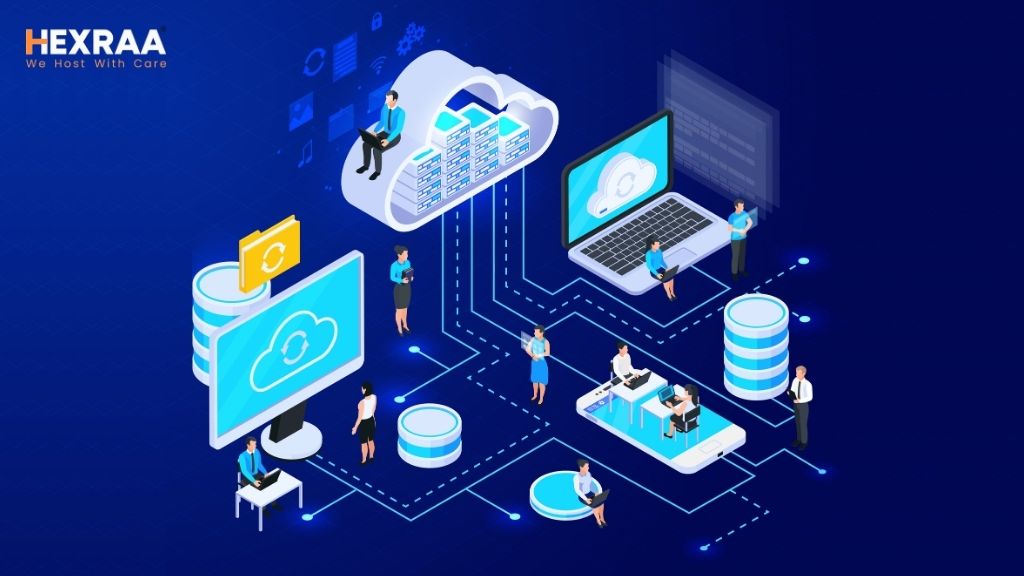
A data center is a dedicated facility designed to house computer systems and associated components, such as telecommunications and storage systems. These centers are crucial for businesses that depend on data management and processing.
Importance of Data Centers
- Data Storage: Data centers serve as repositories for large amounts of data, allowing businesses to store crucial information securely.
- Data Management: They provide the tools needed to efficiently organize, retrieve, and manipulate data as needed.
- Operational Continuity: Data centers are designed to ensure that applications and services remain operational 24/7, which is vital for business functions.
- Security Measures: Modern data centers offer physical and digital security measures to protect sensitive information from breaches or attacks.
The Role of Data Centers in Business Operations
Data centers are integral to the functionality of many businesses today. Here’s how they impact daily operations:
- Support for Cloud Computing: Many businesses leverage cloud services for flexibility and scalability. Data centers provide the backbone for these services, ensuring data is processed and stored securely.
- Data Backup and Recovery: Data centers often incorporate backup systems that help businesses recover quickly from unexpected data loss incidents due to hardware failure, cyberattacks, or natural disasters.
- Hosting Websites and Applications: Companies often use data centers to host their websites and applications, ensuring high availability and performance for end-users.
- Scalability: Data centers allow businesses to scale their IT resources as their needs grow. They can add servers and storage capacity without disrupting their operations.
- Collaboration: Data centers facilitate collaboration by enabling remote access to data and applications, helping teams work together efficiently, regardless of location.
Understanding Data Center Tiers
Data centers are categorized into four tiers, each representing different levels of redundancy, availability, and infrastructure. These tiers help businesses identify the right data center based on their operational needs.
The Four Data Center Tiers
- Tier 1: Basic Capacity:
- Description: A Tier 1 data center has a basic infrastructure with no redundancy. It includes a single, non-redundant distribution path for power and cooling.
- Availability: 99.671% uptime (approximately 28.8 hours of downtime per year).
- Limitations: If any component fails, the entire system can go down.
- Tier 2: Redundant Capacity Components:
- Description: A Tier 2 data center features some redundant capacity components but still operates with a single distribution path.
- Availability: 99.749% uptime (around 22 hours of downtime per year).
- Redundancy: Limited redundancy exists, making it more reliable than Tier 1 but still susceptible to failure.
- Tier 3: Concurrently Maintainable:
- Description: A Tier 3 data center includes multiple independent distribution paths, ensuring that systems can remain operational even during maintenance.
- Availability: 99.982% uptime (about 1.6 hours of downtime per year).
- Key Feature: Maintenance can be performed without shutting down the entire system. This is where the benefits of Tier 3 data centers become highly relevant.
- Tier 4: Fault Tolerant:
- Description: A Tier 4 data center has full redundancy and fault tolerance, meaning it can handle multiple failures without downtime.
- Availability: 99.995% uptime (about 26.3 minutes of downtime per year).
- Infrastructure Requirements: This requires significant resources and is the most expensive option, generally suited for large enterprises with critical data needs.
Who Sets the Standards for Data Center Tiers?
The Uptime Institute is the primary organization that establishes the standards for data center tiers. Their tier classification system is widely recognized and serves as a guideline for businesses to assess the reliability and performance of data centers.
Role of the Uptime Institute
- Standards Development: The Uptime Institute develops guidelines that help data center operators design and maintain reliable facilities.
- Tier Certification: They provide tier certification for data centers, allowing organizations to understand the infrastructure’s capabilities.
- Best Practices: The institute promotes best practices in the industry to ensure data centers operate efficiently and effectively.
What is Uptime?
Uptime refers to the time a data center is operational and available for use. It is expressed as a percentage of the total time in a given period, usually measured over a year.
Uptime Metrics
- 99% Uptime: This equates to about 3.65 days of downtime in a year.
- 99.9% Uptime: This translates to approximately 8.76 hours of downtime per year.
- 99.99% Uptime: This means only about 52.56 minutes of downtime annually.
- 99.999% Uptime: Known as “five nines,” this indicates about 5.26 minutes of downtime per year.
Understanding uptime is crucial for businesses as it directly affects their operations and service delivery.
Exploring the Benefits of Tier 3 Data Centers
When it comes to selecting a data center, the benefits of Tier 3 data centers stand out for their unique advantages. Here are the primary benefits of Tier 3 data centers that organizations can leverage:
High Reliability
One of the standout benefits of Tier 3 data centers is their high reliability. With an uptime of 99.982%, businesses can expect minimal downtime, which is crucial for those dependent on constant access to their data and applications.
Why High Reliability Matters:
- Business Continuity: High uptime ensures that critical business operations are not interrupted, leading to improved customer satisfaction.
- Revenue Protection: Reduced downtime means fewer lost sales opportunities, contributing positively to a company’s bottom line.
- Operational Efficiency: Reliable systems contribute to overall operational efficiency, allowing staff to focus on their core responsibilities rather than troubleshooting issues.
Redundancy
Tier 3 data centers are characterized by robust redundancy. This means that if one component fails, others can take over seamlessly.
Features of Redundancy:
- N+1 Redundancy: Each critical component has at least one backup. For example, if a power supply fails, there’s always a backup ready to ensure continuous operation.
- Failover Systems: The infrastructure includes automatic failover systems that quickly switch to backup components, minimizing service interruption.
- Improved Risk Management: This redundancy reduces the risk of complete system failures, making it a safer choice for businesses.
Maintenance Flexibility
Another significant advantage of Tier 3 data centers is their ability to conduct maintenance without shutting down operations. This is crucial for businesses that cannot afford downtime.
Benefits of Maintenance Flexibility:
- Ongoing Operations: Businesses can continue their day-to-day activities without interruption, ensuring customer service remains unaffected.
- Scheduled Maintenance: Maintenance can be scheduled during business hours without impacting users, making operations more efficient.
- Long-Term Planning: With maintenance being less disruptive, businesses can plan long-term projects and upgrades more effectively.
Cost Efficiency
While Tier 3 data centers are more expensive than Tier 1 and Tier 2 options, they provide significant cost efficiency compared to Tier 4 centers.
How Tier 3 Offers Cost Efficiency:
- Balance of Performance and Cost: The Benefits of Tier 3 Data Centers include a reliable and high-performing environment without the hefty price tag associated with Tier 4 data centers.
- Long-Term Savings: The reduction in downtime and increased reliability can lead to significant long-term savings, especially for businesses with high transaction volumes.
- Predictable Costs: Tier 3 centers often have clearer pricing structures, allowing businesses to budget more effectively for their IT needs.
Enhanced Security
In an era where data breaches are rampant, security is a top concern for businesses handling sensitive information. Tier 3 data centers typically incorporate strong physical and network security measures to protect against threats.
Security Features:
- Physical Security: Tier 3 data centers often have robust physical security measures, including surveillance cameras, access controls, and biometric authentication.
- Network Security: Advanced firewalls, intrusion detection systems, and regular security audits help safeguard data from cyberattacks.
- Compliance: Many Tier 3 data centers meet various compliance standards, ensuring that businesses can trust their data is secure.
Disaster Recovery
Disaster recovery capabilities are another essential aspect of Tier 3 data centers. They are equipped to handle unexpected disasters, ensuring data is backed up and recoverable.
Importance of Disaster Recovery:
- Rapid Data Recovery: In the event of a disaster, businesses can quickly recover their data, minimizing disruption to operations.
- Business Resilience: A well-planned disaster recovery strategy enhances business resilience, ensuring operations can continue even in adverse conditions.
- Regular Testing: Tier 3 data centers often conduct regular disaster recovery drills to ensure that processes are effective and up to date.
Hybrid Solutions
The increasing demand for flexibility in IT environments has led to the rise of hybrid solutions. Tier 3 data centers often support hybrid models, combining local and cloud environments to meet diverse business needs.
Benefits of Hybrid Solutions:
- Flexibility: Businesses can leverage the advantages of both local and cloud services, adapting their strategies to changing needs.
- Cost-Effectiveness: By optimizing resource allocation between on-premises and cloud environments, companies can achieve better cost management.
- Seamless Integration: Tier 3 data centers often provide tools and services that facilitate seamless integration with existing IT infrastructure.
Scalability
As businesses grow, their data storage and processing needs often change. Tier 3 data centers offer scalability, allowing organizations to expand their infrastructure as needed without major disruptions.
How Scalability Benefits Businesses:
- Future-Proofing: Companies can easily add servers and storage as their data needs grow, ensuring they are not left behind in a rapidly evolving digital landscape.
- Cost Management: Businesses can scale their resources incrementally, avoiding the need for large upfront investments.
- Adapting to Demand: Scalability allows businesses to adapt quickly to market demands, ensuring they can respond effectively to new opportunities.
Improved Performance
The design of Tier 3 data centers focuses on high performance. With multiple independent distribution paths, these data centers can manage high traffic loads effectively.
Performance Features:
- Load Balancing: Tier 3 data centers utilize load balancing technologies to distribute traffic evenly across servers, optimizing performance.
- Efficient Resource Utilization: By utilizing resources effectively, these data centers can deliver fast response times for applications and services.
- Optimized Environment: The environment within a Tier 3 data center is designed to reduce latency, improving overall performance for end-users.
Considerations When Choosing a Tier 3 Data Center
While the benefits of Tier 3 data centers are significant, organizations should also consider several factors when choosing a data center:
Location
The geographical location of the data center can impact latency, accessibility, and even regulatory compliance. Companies should choose a location that aligns with their business needs.
- Latency: A closer location can reduce latency, improving response times for applications.
- Natural Disasters: Avoiding areas prone to natural disasters can reduce risks associated with data loss.
- Regulatory Compliance: Certain regulations may require data to be stored in specific locations, so consider local laws.
Compliance Standards
Depending on the industry, businesses may be subject to various compliance requirements, such as GDPR, HIPAA, or PCI-DSS. Ensure that the data center meets these standards.
- Data Privacy: Compliance with data privacy regulations is essential for protecting customer information.
- Industry-Specific Regulations: Different industries have unique compliance needs, so it’s vital to ensure the data center can accommodate these.
Support and Management
Evaluate the level of support provided by the data center. A provider that offers 24/7 support and proactive management will be more beneficial in the long run.
- Responsive Support: Timely support can minimize downtime during issues, enhancing overall reliability.
- Proactive Management: Regular monitoring and management help identify potential issues before they become significant problems.
Cost Structure
Understand the cost structure of the data center services. Ensure that the pricing aligns with your budget while providing the required performance and reliability.
- Transparent Pricing: Look for providers with clear pricing models to avoid unexpected costs.
- Long-Term Contracts: Be cautious of long-term contracts that may lock you into unfavorable terms.
Vendor Reputation
Research the vendor’s reputation in the industry. Look for reviews, case studies, and testimonials from other businesses to gauge their reliability and service quality.
- Customer Reviews: Reading reviews can provide insights into customer satisfaction and service reliability.
- Industry Experience: A vendor with a proven track record in the industry is likely to provide better service.
Case Studies of Successful Tier 3 Data Center Implementations
To understand the real-world implications of Tier 3 data centers, let’s examine a couple of case studies where organizations benefited significantly from choosing Tier 3 data centers.
Case Study 1: Financial Services Firm
Background: A mid-sized financial services firm required a robust infrastructure to support their trading platform, which demanded high availability and performance.
Solution: The firm opted for a Tier 3 data center to ensure reliable uptime and redundancy.
Benefits:
- Reduced Downtime: The Tier 3 data center’s reliability minimized service interruptions, leading to a significant increase in customer satisfaction.
- Improved Compliance: Enhanced security measures helped the firm comply with stringent financial regulations.
- Cost Savings: With reduced downtime, the firm saw an increase in trading volume, contributing to overall revenue growth.
Case Study 2: E-commerce Business
Background: An e-commerce business experienced rapid growth and needed a scalable data center solution to handle increased traffic during peak shopping seasons.
Solution: The company chose a Tier 3 data center that offered scalability and redundancy.
Benefits:
- Scalable Infrastructure: The Tier 3 data center allowed the business to easily add resources as needed, ensuring optimal performance during peak times.
- Cost Efficiency: Reduced downtime and improved performance led to higher revenue during critical shopping periods.
- Enhanced Customer Experience: The reliability of the data center contributed to a seamless shopping experience for customers.
Related Article: Accessing and Managing the Localhost Dashboard: A Comprehensive Guide
Conclusion
In conclusion, the benefits of Tier 3 data centers make it an ideal choice for businesses that prioritize reliability, security, and flexibility. With features such as high uptime, robust redundancy, maintenance flexibility, cost efficiency, enhanced security, and support for hybrid solutions, Tier 3 data centers provide a robust infrastructure for modern organizations.
When selecting a data center, it’s essential to assess your business’s unique needs and consider factors such as location, compliance, support, cost, and vendor reputation. By understanding the advantages of Tier 3 data centers, organizations can make informed decisions that align with their operational goals and ensure long-term success in a digital-first world.