
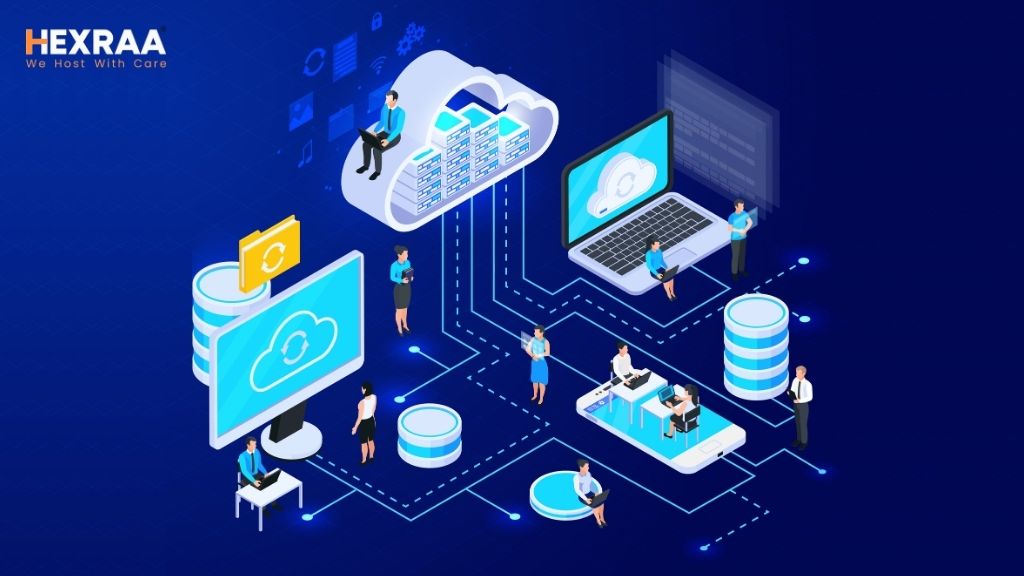
Cloud computing has revolutionized how businesses operate and fundamentally transformed the IT landscape. As we look ahead to 2025, it’s essential to understand how cloud computing will continue to evolve and shape the future of technology, business operations, and our daily lives. This article will explore the trends, innovations, and predictions that will define cloud computing in 2025, ensuring that we remain informed and prepared for the changes ahead.
The Current State of Cloud Computing
Before diving into the future of cloud computing in 2025, it’s crucial to assess where we currently stand. Today, cloud computing is an integral part of IT infrastructure for organizations of all sizes. From small businesses to large enterprises, the adoption of cloud services has enabled organizations to increase efficiency, reduce costs, and enhance flexibility.
According to a report by Gartner, the global cloud services market is projected to grow significantly, highlighting the increasing reliance on cloud solutions. This growth sets the stage for the innovations we can expect soon.
Also, Check: 10 Advantages of Using Raspberry Pi in AI

Key Trends Shaping Cloud Computing in 2025
1. Enhanced Security Measures
As cloud adoption increases, so does the concern over data security. In 2025, we can expect cloud providers to implement advanced security protocols to protect sensitive information. Multi-factor authentication, end-to-end encryption, and AI-driven security analytics will become standard features. This heightened focus on security will reassure businesses and individuals about the safety of their data in the cloud, making cloud computing in 2025 more reliable.
2. Artificial Intelligence and Machine Learning Integration
The integration of artificial intelligence (AI) and machine learning (ML) with cloud services will be a game-changer in 2025. Businesses will leverage AI to analyze vast amounts of data stored in the cloud, gaining insights that were previously unattainable. This capability will empower organizations to make data-driven decisions swiftly and efficiently. Moreover, cloud computing in 2025 will facilitate the development of AI models that can improve operations across various industries, from healthcare to finance.
3. The Rise of Edge Computing
As the Internet of Things (IoT) continues to expand, edge computing will become increasingly important. In 2025, more data processing will occur at the edge of networks, closer to where the data is generated. This shift will reduce latency, enhance performance, and improve the overall user experience. Cloud computing in 2025 will seamlessly integrate with edge computing solutions, enabling organizations to handle real-time data more effectively.
4. Serverless Computing
Serverless computing is gaining traction, allowing developers to build and deploy applications without managing infrastructure. By 2025, serverless architectures will become commonplace, enabling businesses to scale applications effortlessly. This trend will reduce operational overhead and allow developers to focus on writing code rather than managing servers. The simplicity and efficiency of serverless computing will significantly impact cloud computing in 2025.
5. Multi-Cloud Strategies
Organizations are increasingly adopting multi-cloud strategies, utilizing services from multiple cloud providers. In 2025, this trend will continue as businesses seek to avoid vendor lock-in and optimize their cloud resources. Multi-cloud strategies will allow organizations to select the best services for their specific needs, leading to enhanced performance and cost savings. Cloud computing in 2025 will be characterized by flexibility and adaptability as businesses navigate a diverse cloud landscape.
The Impact of 5G on Cloud Computing in 2025
The rollout of 5G technology will significantly influence cloud computing in 2025. With faster data speeds and lower latency, 5G will enhance the performance of cloud applications and services. This technological advancement will enable businesses to access and process data in real-time, paving the way for innovative solutions and improved user experiences. As more devices become connected through 5G, the demand for cloud resources will surge, prompting cloud providers to expand their offerings.
The Role of Sustainability in Cloud Computing
As environmental concerns continue to grow, sustainability will play a vital role in the future of cloud computing in 2025. Cloud providers will invest in energy-efficient data centres, utilize renewable energy sources, and implement sustainable practices throughout their operations. Businesses will prioritize working with environmentally conscious cloud providers, leading to a more sustainable IT landscape. The emphasis on sustainability will reshape the cloud computing industry, making it more responsible and accountable.
The Importance of Compliance and Regulation
As cloud computing continues to evolve, so too will the regulatory landscape. By 2025, organizations will need to navigate a complex array of compliance requirements concerning data privacy and security. Cloud providers will need to ensure that their services adhere to these regulations, providing businesses with the confidence that their data is being handled appropriately. This focus on compliance will influence the development of cloud services, shaping the future of cloud computing in 2025.
Preparing for the Future of Cloud Computing
To thrive in the evolving landscape of cloud computing in 2025, organizations must adopt a proactive approach. Here are some strategies to prepare for the future:

1. Embrace Innovation
Organizations should remain open to new technologies and trends that emerge within the cloud computing space. By staying informed about advancements in AI, machine learning, and edge computing, businesses can position themselves to leverage these innovations effectively.
2. Prioritize Security
With the increasing sophistication of cyber threats, organizations must prioritize security measures. Implementing robust security protocols and staying updated on best practices will help safeguard sensitive data in the cloud.
3. Develop a Multi-Cloud Strategy
Organizations should consider adopting a multi-cloud strategy to diversify their cloud resources. This approach can provide greater flexibility, minimize risks, and optimize costs.
4. Invest in Talent Development
As cloud technologies continue to evolve, investing in employee training and development is crucial. Ensuring that staff members possess the necessary skills to navigate the cloud landscape will enhance overall organizational performance.
Conclusion
The future of cloud computing in 2025 is poised to be transformative. With enhanced security measures, AI and machine learning integration, the rise of edge computing, serverless architectures, and the adoption of multi-cloud strategies, organizations will experience unprecedented opportunities. As technology continues to advance, the role of cloud computing will become increasingly critical in shaping the business landscape.
By preparing for the changes ahead, businesses can position themselves to thrive in the dynamic world of cloud computing in 2025. Embracing innovation, prioritizing security, developing multi-cloud strategies, and investing in talent development will be key to unlocking the full potential of cloud computing.
For further insights into the future of cloud computing, you can explore resources from reputable organizations like Gartner and McKinsey & Company.